Don't Buy the Waterproof Bluetooth Until You Read This Full Analysis
Waterproof Bluetooth products promise rugged convenience: music by the pool, podcasts in the shower, and soundtrack-ready hikes in the rain. The marketing is compelling, but not all waterproof Bluetooth devices are created equal. This article offers a thorough, practical analysis to help prospective buyers separate useful features from marketing fluff and choose a device that fits real-world needs.
Introduction: What "Waterproof" Actually Means
The word "waterproof" appears on packaging and in ads as a guarantee of protection. In reality, manufacturers typically rely on industry-standard ingress protection (IP) ratings to describe resistance to water and dust. Buyers often assume "waterproof" equals indestructible — a dangerous oversimplification. Understanding IP ratings, the limits of manufacturer testing, and common failure modes is essential before investing in any waterproof Bluetooth device.
IP Ratings in Brief
An IP rating has two digits: the first indicates solids (dust), the second indicates liquids (water). For example, IP67 means dust-tight and protected against immersion up to 1 meter for 30 minutes. IPX7 omits dust protection but tolerates submersion at 1 meter for 30 minutes. Higher numbers like IP68 typically mean protection beyond IP67 conditions, but the exact depth and duration should be checked with the manufacturer.
Detailed Product Analysis: What to Measure and Why
When evaluating a waterproof Bluetooth product, treat it like any other audio purchase: test both the waterproofing claims and the audio/system performance. Below are the most important attributes and how they affect everyday use.
1. Waterproofing and Environmental Resistance
IP ratings are necessary but not sufficient. Consider:
- Saltwater vs. freshwater: Salt corrodes metal contacts and coatings. A speaker rated IPX8 for freshwater immersion may still fail after repeated exposure to ocean spray unless it has corrosion-resistant materials.
- Temperature fluctuations: Rapid changes (hot shower to cold air) can push seals beyond their design tolerance.
- Button and port sealing: Physical buttons and charging ports are common failure points. Devices with covered ports are better, but covers can trap moisture and debris if not designed well.
- Floatation and anchoring: Some pool-oriented speakers float; others sink if dropped. Floating speakers are convenient but often sacrifice bass and volume.
2. Audio Quality: Beyond Loudness
Buyers commonly equate louder with better; however, clarity, frequency balance, and distortion are more meaningful. Key audio metrics include:
- Frequency response: A wider range can reproduce more detail, but consumer products often emphasize bass for perceived richness.
- Total harmonic distortion (THD): Lower THD means cleaner sound at higher volumes.
- Driver size and enclosure: Small shower speakers have tiny drivers and limited low-end. Larger, well-ported enclosures produce deeper bass but may compromise portability.
- Stereo imaging: Waterproof mono speakers are common; for music lovers, true stereo (two drivers or dual paired units) improves immersion.
3. Connectivity and Latency
Bluetooth version and supported codecs matter for latency-sensitive use (videos, gaming) and quality:
- Bluetooth versions: Newer versions (e.g., 5.x) typically offer improved range, stability, and power efficiency.
- Codecs: SBC is universal but limited; AAC and aptX offer better fidelity when supported by source devices. aptX Low Latency or LC3 are preferable for syncing with video.
- Pairing: Quick, stable pairing reduces frustration. Multipoint support is handy for switching between phone and laptop.
4. Battery Life and Charging
Battery life is often a trade-off with size and output level. Typical considerations:
- Advertised vs. real battery life: Manufacturer numbers assume moderate volume and ideal conditions. Expect significantly less in practice when playing loud or using hands-free features.
- Charging interface: USB-C is preferred for faster charging and universality. Older micro-USB is less convenient and more prone to water ingress over time.
- Fast-charging and power banks: Some devices double as power banks; useful on long outdoor trips.
5. Build Quality, Materials, and Ergonomics
Durability in wet environments depends on material choices and design:
- Rubberized exteriors: Provide grip and impact resistance but can discolor or degrade with UV and chlorine exposure.
- Stainless steel or coated aluminum: Help resist corrosion; plastic can be lighter but may not last as long in abrasive conditions.
- Mounting options: Clips, straps, and suction cups expand use cases but vary widely in reliability.
Real-World Use Cases and Buyer Priorities
Different buyers have different priorities. Below are common scenarios and what matters most in each.
Find top-rated Audio & Headphones products at great prices.
Browse Now →Pool and Beach Use
Concerns: flotation, saltwater corrosion, loudness to overcome outdoor noise, battery life for all-day use. Buyers should prioritize corrosion-resistant materials, detachable covers for rinsing, and floatation or a tether to prevent sinking.
Shower and Bathroom
Concerns: compactness, mountability (suction cups or hooks), and quick pairing with a phone. Audio fidelity is less critical here; durability against soap, heat, and humidity is paramount. Avoid speakers with exposed USB ports or cheap rubber covers that trap moisture.
Hiking and Rainy Commutes
Concerns: ruggedness, dust and mud resistance (IP67 or above), battery life, and secure attachment. Lightweight, clip-on options with strong straps and long battery life are ideal.
Outdoor Parties
Concerns: peak loudness, bass performance, battery life, and multiple-device pairing. Larger waterproof party speakers deliver room-filling sound but sacrifice portability.
Pros & Cons
- Pros
- Portability enables music in environments where traditional speakers would fail.
- Durability against accidental splashes, rain, and brief submersion when properly rated.
- Versatility across activities — showers, pools, beaches, gyms, and outdoor adventures.
- Cons
- IP ratings can be misleading; saltwater and long-term exposure cause failures even for rated devices.
- Smaller waterproof units often compromise sound quality, especially bass response.
- Charging ports and physical buttons remain common weak points despite covers.
- Marketing uses "waterproof" loosely; real-world durability varies widely.
Comparison Table: Typical Waterproof Bluetooth Categories
| Category | Typical IP Rating | Typical Battery Life | Sound Profile | Best For | Price Range |
|---|---|---|---|---|---|
| Shower Speaker (compact) | IPX4–IPX7 | 6–12 hours | Mid-focused, limited bass | Bathroom, small rooms | $15–$60 |
| Poolside/Floating Speaker | IPX7–IP68 | 8–16 hours | Balanced, often reduced low-end | Pools, light outdoor use | $30–$150 |
| Rugged Outdoor Speaker | IP67–IP68 | 10–24 hours | Full-range, stronger bass | Hiking, camping, beach | $50–$300 |
| Waterproof Earbuds | IPX4–IP68 | 4–12 hours (case incl.) | Detailed, often bass-boosted | Workouts, commuting, swimming (some models) | $30–$300 |
| Floating Party Speaker (large) | IPX6–IP68 | 6–18 hours | Heavy bass, high SPL | Pool parties, beach events | $100–$500 |
Buying Guide: How to Choose the Right Waterproof Bluetooth
Follow this checklist to make a confident purchase:
1. Define the Primary Use Case
Is the speaker for shower use, poolside lounging, rugged outdoor work, or daily commuting in rain? Let the primary use drive the priorities: floating capability for pools, dust-proofing and secure attachment for trails, or compact size for bathrooms.
2. Verify IP Rating Details
Look beyond the number. Confirm the conditions the manufacturer used to test the rating: depth, duration, and whether the test referenced freshwater or saltwater. Prefer IP67/IP68 for devices exposed to immersion or dusty environments.
3. Materials and Corrosion Resistance
Check for stainless steel fasteners, anodized aluminum, or corrosion-resistant coatings if the device will see saltwater. Examine port seals and whether covers are designed to drain water rather than trap it.
4. Audio Expectations
Decide on acceptable compromise between size and sound. If the user values bass and volume, choose larger enclosures or pairable stereo units. For voice calls or spoken-word content, clarity and microphone quality are more important.
5. Battery and Charging
Factor in realistic battery life. If uninterrupted playback is essential, choose devices with longer battery life or replaceable batteries. Prefer USB-C charging for convenience and durability.
Discover deals on Audio & Headphones — updated daily.
Browse Now →6. Connectivity and Compatibility
Check Bluetooth version and supported codecs. If syncing with video sources, low-latency codecs or wired options may be necessary. For multi-device households, look for multipoint pairing.
7. Warranty and Support
Water exposure increases the chance of failure. Choose products with clear warranty terms that cover water-related defects and good customer support responsiveness. Read the fine print: some warranties exclude water damage despite IP claims.
8. Field Tests to Do on Arrival
After unboxing, perform quick functional checks before full use:
- Pair and play a variety of tracks at different volume levels to assess clarity and distortion.
- Inspect seams, rubber flaps, and charging ports for manufacturing defects.
- Test accessory attachments (clips, straps) to ensure they hold under motion.
- Rinse thoroughly with fresh water if the device will be used in saltwater; follow manufacturer guidance.
9. Maintenance Tips
Simple care extends longevity:
- Rinse with fresh water after saltwater use and allow to dry completely before charging.
- Avoid charging immediately after heavy moisture exposure; allow seals to dry to prevent trapped moisture from shorting the device.
- Use mild soap and a soft brush for grime, and avoid harsh solvents that damage rubber seals.
Common Myths and Misconceptions
Addressing widespread misunderstandings helps prevent disappointment:
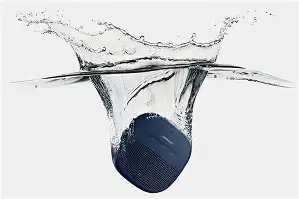
- Myth: IPX7 means it can be used underwater indefinitely. Reality: IPX7 standards are for limited submersion (commonly 30 minutes at 1 meter); long-term underwater use will likely fail seals and electronics.
- Myth: All waterproof speakers float. Reality: Only specific designs float; many waterproof designs are dense and will sink.
- Myth: Waterproof equals shockproof. Reality: Waterproofing and impact resistance are separate design considerations.
Practical Recommendations for Different Budgets
Buyers on a tight budget should prioritize IPX4–IPX7 shower speakers with reliable suction or hook attachments for bathroom use. Mid-range buyers often find the best value in portable speakers with IP67 ratings, USB-C charging, and improved drivers. For those willing to invest, rugged speakers with IP68, metal construction, and substantial battery life provide the best long-term reliability for outdoor and marine environments.
Conclusion
“Waterproof Bluetooth” is an attractive promise, but the phrase alone is an insufficient purchasing guide. Careful scrutiny of IP ratings, materials, audio performance, battery characteristics, and warranty terms will prevent buyer regret. Real-world use exposes weaknesses that specs alone cannot reveal: corrosion from saltwater, degraded seals from temperature cycling, and limited bass from tiny enclosures.
Buyers should start by defining their primary use case, then select a device whose engineering matches that need — not just the marketing. With informed expectations and a few quick checks on arrival, waterproof Bluetooth devices can deliver reliable, enjoyable audio in environments where conventional speakers would fail. Read labels closely, examine designs for corrosion resistance and charging durability, and remember that the most expensive option is only worth it if it addresses the actual conditions of use.