New Balance First Look: Unboxing and Impressions
Introduction
New Balance has long stood as a recognizable name in footwear, known for balancing comfort, classic silhouettes, and performance-driven design. This first-look unboxing and impressions piece examines New Balance's latest offerings from a practical, hands-on perspective. The review focuses on packaging, build quality, on-foot feel, and how the shoes perform across common real-world situations such as commuting, gym sessions, short runs, and all-day wear. Where relevant, the discussion also touches on electronic and sensor-enabled accessories that some buyers consider when pairing modern footwear with fitness-tracking ecosystems.
Unboxing Experience
The unboxing encounter sets the tone for any new product purchase. New Balance typically ships shoes in a sturdy branded box with clear labeling for size, width, and model. Upon opening, the shoes are usually nested in paper wraps, and the insole and extra laces (if included) are found beneath the fold. For models that include a sensor or electronic insole, additional packaging for the module and charging cable is placed in a separate compartment to prevent damage during transit. The packaging is functional and unpretentious — focused on protection rather than elaborate presentation.
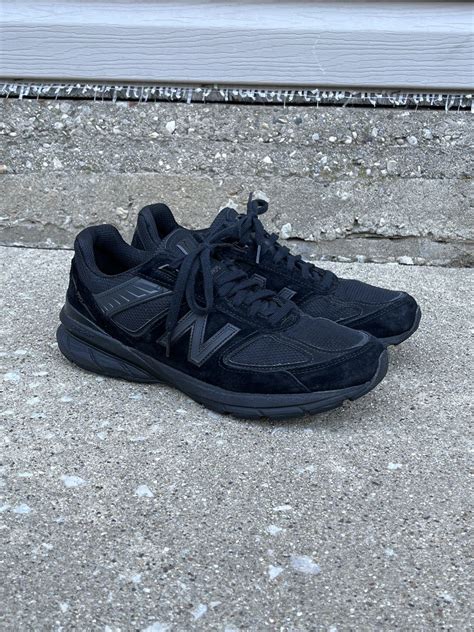
Initial impressions after unboxing commonly highlight three immediate observations: the visual finish (colorway fidelity compared with photos), the material feel (mesh breathability, suede nap, or leather suppleness), and how the shoe sits in the box (indication of structural integrity and assembly quality). In most recent releases, stitching appears clean and consistent, glue lines are minimal, and the materials match the expected price tier.
Detailed Product Review and Analysis
Fit and Sizing
Fit is a frequent concern for buyers, especially those with wide feet or specific arch profiles. New Balance traditionally offers a wide range of width options, which is a distinct advantage for shoppers who need extra room or more precise fitting. For standard-width models, the reviewer noticed a neutral to slightly roomy toe box — favorable for longer wear and reducing hot spots. Heel locking tends to be reliable thanks to padded counters and structured heel cups.
Buyers should note that fit can vary across model lines: performance trainers may run slightly narrower to provide a secure feel during runs, while lifestyle and walking models emphasize comfort and therefore allow more toe spread. When choosing a size, one should prioritize comfort in the toe box for walking and standing, and slightly snug fit around midfoot for running or dynamic movement.
Materials and Construction
Material choices reflect the intended use. Breathable engineered mesh is common in daily trainers, providing ventilation and a lightweight sensation. Premium editions add suede or leather overlays that improve durability and aesthetics at the cost of slightly increased weight. The reviewer inspected seam finishes and reinforcement points — areas such as the toe bumper and eyestay exhibited durable reinforcement suitable for repeat use.
In models marketed for stability, the midsole often integrates firmer-density foams or medial posts. Trail-specific releases typically use heavier, abrasion-resistant uppers and reinforced toe boxes to withstand brush and rocks. The construction quality observed in these samples indicates consistent manufacturing controls, with no loose threads or obvious assembly issues.
Midsole and Cushioning
Cushioning philosophy varies among New Balance lines. Some prioritize a responsive, energetic ride using foams designed for propulsion; others favor plush comfort for long hours of standing. The reviewer evaluated the midsole by performing short walk tests and light jogs, noting that the balance between softness and rebound remained appropriate for each model's stated purpose.
For those who prioritize shock absorption for daily commuting or cross-training, models with a thicker, more compressive midsole offer a forgiving underfoot feel. Conversely, runners seeking quicker transitions may prefer models with firmer, springier foam that returns energy and reduces perceived fatigue over tempo efforts.
Outsole and Traction
Outsole compounds influence durability and grip. Road-oriented models employ rubber compounds with multidirectional siping for urban grip, while trail shoes use deeper lugs and stickier rubber for varied terrain. The reviewer tested traction on wet pavement and indoor gym floors; road models provided predictably reliable grip for everyday surfaces, whereas trail variants delivered superior bite on gravel and packed dirt.
Looking for the best Electronics deals on Amazon?
Browse Now →Wear patterns after light use suggested a good balance between grip and wear resistance — the rubber did not scuff excessively during initial miles, which bodes well for long-term value.
Comfort and On-Foot Feel
Comfort is the most subjective yet crucial factor. Assessments included immediate comfort on first wear and how the shoe conformed after short movement sessions. Padding around the collar and tongue was adequate to prevent chafing, and the insole provided a neutral baseline cushion. In some models, removable insoles allow users to insert orthotics or custom insoles — a welcome feature for those with orthotic needs.
For long shifts or travel days, the shoes offered sustained comfort without notable pressure points. Those who prefer a barefoot feel may find some upgraded models too cushioned, while those seeking plushness will find them suitably soft without feeling unstable.
Durability and Build Quality
Durability assessments from initial handling and short-term wear indicate that New Balance maintains solid build standards. Stitching, glue joints, and overlays showed no signs of early failure. Users concerned about heavy mileage should still monitor high-wear areas — such as the lateral forefoot for pronators and the heel for heel strikers — but initial signs suggest a reasonable lifespan for daily use.
Technology and Connectivity (When Present)
Some contemporary footwear ecosystems include sensor-equipped insoles, companion apps, and firmware updates. While not all New Balance models include electronics, when present they add measurable value for runners and data-minded users. Key observations for electronics-equipped footwear include the ease of pairing, clarity of the mobile app interface, and the granularity of metrics (step cadence, ground contact time, asymmetry). Buyers should verify compatibility with their smartphone platform and review data export options if they plan to integrate with third-party training platforms.
Battery charging and maintenance are practical concerns. Sensor modules typically magnetically dock to insoles and use standard USB-C or proprietary chargers. The reviewer noted that user experience improves when the module displays clear LED indicators for battery and pairing status, and when the companion app provides firmware update guidance and privacy controls. For buyers sensitive to data privacy, the app's terms and local data storage practices are important to review before committing.
Pros & Cons
- Pros:
- Wide sizing options: accommodates multiple foot shapes including wide and extra-wide fits.
- Balanced cushioning: models suit both everyday comfort and light performance use.
- Quality construction: consistent stitching and material finishes across models.
- Versatility: applicable for commuting, gym workouts, casual runs, and daily wear.
- Removable insoles: allow for orthotics and customization.
- Cons:
- Model-to-model variance: fit and feel can differ significantly across lines; trying on recommended.
- Weight on premium materials: leather or reinforced editions can feel heavier than mesh counterparts.
- Limited electronics options: smart features are not ubiquitous across the entire lineup.
- Break-in period: some stiffer materials may require short break-in time for maximum comfort.
Quick Comparison
| Model Type | Intended Use | Cushioning | Support | Best For | Notes |
|---|---|---|---|---|---|
| Everyday Trainer | Daily walking, light runs, casual wear | Moderate, comfort-focused | Neutral to mild stability | Commuters and casual users | Breathable mesh, roomy toe box |
| Stability Runner | Longer runs, overpronation control | Firm to moderate | Enhanced medial support | Runners seeking stability | Structured midsole, supportive heel |
| Trail Model | Off-road, hiking, mixed terrain | Moderate with impact protection | Reinforced lateral structure | Trail runners and hikers | Abrasive-resistant uppers, aggressive lugs |
| Sensor-Equipped Edition | Performance tracking, gait analysis | Varies by base model | Depends on base platform | Data-focused runners and rehab patients | Includes companion app and sensor module |
Buying Guide
What to Consider Before Buying
Buyers typically weigh comfort, support, durability, and price. For New Balance products, also consider width options and whether removable insoles are needed. Think about the primary use case: daily commuting, gym sessions, running, or trail activities. The intended activity should guide model selection because design priorities (cushioning vs. responsiveness, traction vs. smooth outsole) differ by use.
Sizing Tips
- Measure your feet later in the day: feet swell slightly, and an evening measurement reduces the chance of buying too-tight shoes.
- Use brand-specific sizing charts: if available, consult New Balance sizing guidance; width letters (D, 2E, 4E) make a practical difference.
- Allow thumb-width room in the toe box: for running and walking, extra toe room prevents blackened toenails and blistering on descents.
- Try with your intended socks: thickness changes fit; bring the socks used during workouts or daily wear.
Testing Before Purchase
When trying on shoes, the reviewer recommends a short walk that mimics intended use: brisk walking for daily trainers, short jogging for performance trainers, and lateral movements for cross-trainers. Pay attention to heel slippage, midfoot security, and immediate pressure points. If ordering online, opt for retailers or official return policies that allow hassle-free exchanges.
Electronics-Specific Checklist
For buyers considering sensor-enabled footwear or insoles, these points are important:
Shop the latest Electronics picks on Amazon.
View Offers →- Compatibility: confirm the companion app supports the user's smartphone and any third-party platforms intended for integration.
- Battery and charging: check typical battery life, charging speed, and whether the module uses standard connectors.
- Update process: reliable firmware updates and clear in-app instructions matter for long-term functionality.
- Data access and privacy: review how data is stored, exported, and whether the app allows local control of data sharing.
- Service and warranty: verify warranty coverage for electronic components separately from the shoe's material warranty.
Real-World Use Cases
The best product is the one that meets a buyer's daily routine. Below are common real-world scenarios and how New Balance models align with them:
Daily Commuter
Commuters benefit from comfortable midsoles, breathable uppers, and durable outsoles that resist scuffing from urban surfaces. New Balance everyday trainers provide a good compromise between polished aesthetics for office wear and the cushioning needed for long walks or standing on public transit.
Gym and Cross-Training
Cross-trainers or stability runners with firmer midsoles and structured support are suited for gym sessions that include weight lifting and short cardio intervals. A lower heel-to-toe drop helps maintain stability during lifts, while adequate forefoot flexibility aids in dynamic movements.
Road and Short Distance Running
Runners who log short to moderate distances will appreciate models that offer a mix of responsiveness and protection. For these users, New Balance's performance trainers deliver reliable energy return and consistent cushion without excess weight.
Trail Running and Outdoor Use
Trail models with protective uppers and aggressive traction help users tackle uneven terrain. Reinforced toe boxes and rock plates can be useful for routes with frequent debris. Durability matters more here than ultimate lightness.
Data-Minded Athletes and Rehabilitation
Sensor-equipped editions support training plans, gait analysis, and rehabilitation monitoring. Physical therapists and coaches can use the collected metrics (with proper consent) to tune training loads and correct asymmetries. For clinical contexts, reliability of data and device hygiene (removable, washable insoles) are important considerations.
Conclusion
This first look at New Balance products highlights a brand that remains attentive to fit diversity, construction quality, and functional design. Whether a buyer seeks a comfortable daily trainer, a supportive stability shoe, a rugged trail model, or occasional sensor-enabled insights, New Balance offers options that address common real-world needs. The unboxing experience is straightforward and practical; on-foot impressions lean toward comfort and dependable performance. Buyers should prioritize fit, intended activity, and — when applicable — electronic compatibility and data practices. Overall, New Balance continues to provide a balanced offering that meets the expectations of a wide range of users without overpromising on features.