Should You Upgrade from Beyerdynamic Amiron 100 to Rode Podmic?
Category: Audio
Introduction
At first glance, comparing the Beyerdynamic Amiron 100 and the Rode PodMic looks like apples and oranges: one is a pair of over-ear headphones designed for high-quality listening, the other is a broadcast-oriented dynamic microphone. Yet many creators, streamers, and home studio owners ask the same practical question: if they already own a premium headphone like the Amiron 100, does switching to (or adding) a Rode PodMic represent an "upgrade" for their setup? This article examines both products in detail, explains realistic use cases, compares how they impact an audio workflow, and offers a buying guide so readers can decide based on how they work and what they value.
Overview of the Products
Beyerdynamic Amiron 100 — What it is and who it serves
The Beyerdynamic Amiron 100 is a high-fidelity over-ear headphone aimed at listeners who want detailed, comfortable, long-session listening. It is positioned toward audiophiles and critical listeners who value tonal balance, imaging, and physical comfort during long listening or mixing sessions. Buyers typically choose Beyerdynamic headphones for reference listening, detailed music enjoyment, and accurate monitoring when producing or editing audio.
Rode PodMic — What it is and who it serves
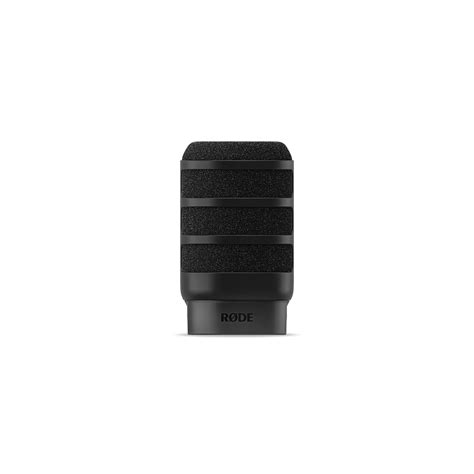
The Rode PodMic is a cardioid dynamic microphone developed primarily for spoken-word applications: podcasting, broadcasting, livestreaming, and voiceover. It is engineered to deliver a direct, present vocal sound with robustness and ease of use in untreated or noisy home environments. Its build quality, internal pop filter, and broadcast-oriented tonal tuning make it a common choice for creators who need reliable speech capture without heavy postprocessing.
Detailed Product Analysis
Sound and Purpose
Sound is the central difference: the Amiron 100 reproduces sound for listening and monitoring, while the PodMic captures sound. The Amiron 100’s strengths are neutrality and detail, enabling a listener to hear nuances in music and mixes. It is optimized to present a natural sound with clear mids and a balanced treble—useful for evaluating recordings or enjoying high-resolution music.
The PodMic is tuned to flatter and emphasize the spoken voice: a forward midrange and a controlled low end help speech cut through a mix. Its off-axis rejection and dynamic capsule reduce room noise pickup when compared to condenser microphones, making it a practical choice in untreated rooms or in situations where background noise is a concern.
Connectivity and Workflow
Amiron 100 headphones connect to a headphone output and are typically passive (wired) devices. Depending on the exact variant and impedance, they may benefit from a dedicated headphone amplifier or a quality audio interface for optimal drive and low-noise monitoring.
The PodMic requires an XLR connection into a mic preamp, mixer, or audio interface. It does not provide its own amplification, so the quality of the interface or mixer preamp has a significant impact on recorded results. Note: because the PodMic is dynamic, it generally demands more gain than condenser microphones, so a preamp with sufficient clean gain is important.
Build, Ergonomics, and Durability
Beyerdynamic headphones are known for durable, repairable construction and comfortable headbands and ear pads made for long wear. The Amiron line emphasizes comfort and materials suitable for extended listening sessions.
Shop the latest Audio & Headphones picks on Amazon.
See Deals →The Rode PodMic has a compact, all-metal construction with an internal pop filter and a desk- or boom-mount-friendly thread. It is designed for daily use in content creation workflows and withstands the wear-and-tear of broadcast environments.
Real-world Use Cases
- Podcasters and streamers: The PodMic delivers a broadcast sound with minimal setup and performs well without a treated room, making it ideal for creators who prioritize clear speech capture over ambient detail.
- Music listeners and editors: The Amiron 100 serves those who need a comfortable, accurate headphone for listening, mixing, or editing music, where tonal balance and detail are priorities.
- Home studio hybrid users: Someone producing music and also recording voice might keep the Amiron for monitoring and add the PodMic for improved vocal capture. The two products complement each other rather than replace each other.
- Field portability vs. static studio: Amiron headphones are portable in the sense of being easy to carry, but best used in quiet environments. The PodMic is best in a fixed setup where an interface and mounting hardware are present.
Pros & Cons
Beyerdynamic Amiron 100
- Pros:
- High-fidelity sound suited for critical listening and monitoring
- Comfortable for long sessions with quality ear pads and headband
- Durable, serviceable construction and replaceable pads
- Good imaging and tonal balance for music and editing
- Cons:
- Does not capture sound—only for monitoring and listening
- Open or semi-open designs (if applicable) can leak sound and are less ideal for noisy environments
- May require a headphone amp or quality interface for best performance
Rode PodMic
- Pros:
- Broadcast-focused sound that makes voice presence immediate and intelligible
- Durable, compact metal build suitable for daily use
- Built-in pop filter and cardioid pattern help reduce plosives and ambient noise
- Relatively affordable entry into broadcast-quality mics
- Cons:
- Requires an audio interface or mixer with XLR and adequate gain
- Not a substitute for a high-quality condenser in treated vocal booths for nuanced vocal capture
- Limited versatility for musical instruments—optimized for speech
Comparison Table
| Feature | Beyerdynamic Amiron 100 | Rode PodMic |
|---|---|---|
| Product type | Over-ear headphones (monitoring/listening) | Dynamic cardioid microphone (spoken-word focus) |
| Primary use | Critical listening, mixing, enjoying music | Podcasting, streaming, broadcasting, voiceover |
| Connectivity | 3.5mm / 1/4" headphone jack (wired) via amplifier or interface | XLR into preamp, mixer, or audio interface |
| Room sensitivity | Used for monitoring; not affected by room for reproduction quality but listening environment matters | Good off-axis rejection; performs well in untreated rooms compared to condensers |
| Requires additional gear | Optional headphone amp or quality interface for best drive | Requires preamp/interface with clean gain and a mounting solution |
| Best for | Listeners, audio editors, mix engineers | Podcasters, streamers, broadcasters in home studios |
| Portability | Moderate; portable but best in quiet settings | Stationary; requires more setup |
| Value for creators | Excellent for monitoring and improving mixes | Excellent for improving the quality of spoken recordings |
Is the PodMic an "Upgrade"?
Framing the PodMic as an "upgrade" from the Amiron 100 mischaracterizes their roles. The two devices solve different problems: the Amiron 100 helps someone hear audio clearly and make judgments about mixes or enjoy music; the PodMic helps someone record clean, present spoken-word audio. For a content creator whose current limiting factor is poor vocal recordings, adding or switching to a PodMic is a meaningful upgrade to the content-production chain. Conversely, if the current need is better monitoring for music or mixing, improving headphones or monitors will feel like an upgrade while adding a microphone will not.
In short: the PodMic is an upgrade in the recording/voice-capture domain. The Amiron 100 is an upgrade in the listening/monitoring domain. Many serious creators benefit from having both—good capture and good monitoring are complementary.

Practical Considerations Before Buying
1. Define the core need
If the priority is improving how music, podcasts, or streams sound to the audience, examine the weakest link: a poor microphone or poor vocal processing is more damaging than average monitoring. If the priority is judging mixes, invest in better headphones or monitors.
2. Understand the signal chain
The PodMic needs an XLR preamp. If a user lacks an audio interface or mixer, the cost to add a PodMic includes the mic and the interface. Look for an interface with enough clean gain; some budget interfaces may struggle to provide the optimal gain for dynamic mics. Conversely, Amiron headphones may require a headphone amp for the best experience, especially if driven by a low-power source like a phone or a weak onboard output.
3. Room and environment
Dynamic mics like the PodMic do better in untreated rooms than condenser mics, but room acoustics still matter. Placement, distance, and orientation affect recordings significantly. The Amiron’s listening environment also affects perception—room noise, external interruptions, and mobile use all factor into whether headphones meet the user's needs.
4. Workflow and ergonomics
Consider mounting and ergonomics: the PodMic benefits from a boom arm and a shock mount or isolation solution to avoid desk vibrations. Headphones are judged on comfort over hours of use. Both products should fit into a workflow where monitoring, recording, and editing happen efficiently.
5. Budget and total system cost
Comparing sticker prices alone misses the full expense: for PodMic, count the interface, cables, stand/arm, and possible acoustic treatment; for Amiron headphones, count a headphone amp or balanced cables if needed. Total system cost determines return on investment more than the mic or headphone alone.
Shop the latest Audio & Headphones picks on Amazon.
Shop Amazon →Buying Guide: How to Decide
Use the following checklist to decide whether to buy the Rode PodMic, upgrade headphones, or keep both:
- Primary activity: If recording voice for podcasts/streams is frequent and sound quality is a bottleneck, prioritize a dedicated microphone like the PodMic.
- Monitoring needs: If the user spends time mixing music or editing audio and cannot trust current headphones or monitors, prioritize upgrading headphones or monitors.
- Available equipment: If there is no audio interface, either budget for one with the mic purchase or consider an all-in-one solution (USB mics as alternatives) until an interface is feasible.
- Room constraints: Untreated rooms favor dynamic microphones for voice capture; if the user can afford treatment, condenser mics become more viable options for nuance.
- Versatility: The PodMic is optimized for speech. If the user needs a microphone for instruments or detailed singing capture, consider alternatives in addition to the PodMic.
- Comfort and duration: For long listening or editing sessions, ensure headphones are comfortable—test ear pad materials and weight.
Suggested Starter Setups
For someone starting podcasting on a modest budget:
- Rode PodMic + audio interface with XLR preamp + boom arm + XLR cable. Use the Amiron 100 for monitoring if already owned.
For a listener/editor wanting clearer mixing perspective:
- Keep current mic setup and invest in the Amiron 100 (or upgrade to studio monitors) with a headphone amp or balanced output from an interface.
For a hybrid creator who does music production and podcasting:
- Invest in both: the PodMic for speech capture and the Amiron for accurate monitoring. Ensure the interface supports both headphone outputs and multiple inputs for flexibility.
Alternatives to Consider
When choosing between sticking with headphones or buying a microphone, compare alternatives. For microphones, USB condensers or dynamic USB mics lower the barrier by removing the need for an audio interface. For headphones, consider studio monitors if room treatment and space allow—monitors give a different perspective than headphones, and many producers use both.
Conclusion
Upgrading from a Beyerdynamic Amiron 100 to a Rode PodMic is not a straightforward one-for-one improvement because they serve different stages of the audio chain. The right choice depends on what needs upgrading: the capture (microphone) or the monitoring (headphones). For creators whose primary limitation is how their voice sounds to listeners, the PodMic represents a substantial and practical upgrade in capture quality, especially when paired with a suitable interface and mounting hardware. For listeners and audio editors who need better reference and comfort, the Amiron 100 remains a meaningful investment.
Ultimately, many content creators will find the best results by adding the PodMic to a setup that already includes reliable monitoring—using the Amiron 100 for critical listening while relying on a PodMic for clear, present vocal recordings creates a balanced, high-quality workflow that addresses both what the audience hears and what the creator hears while producing.